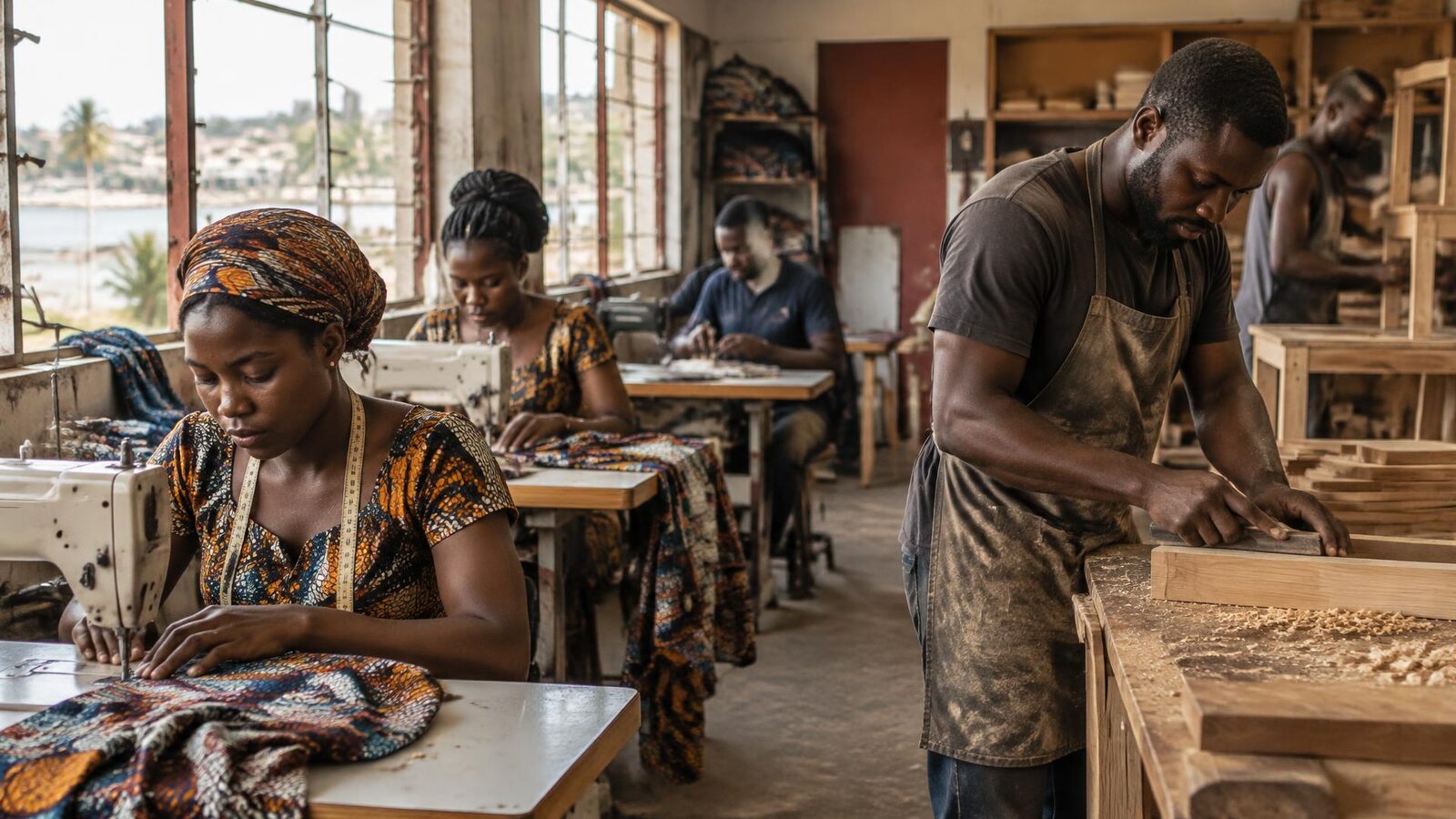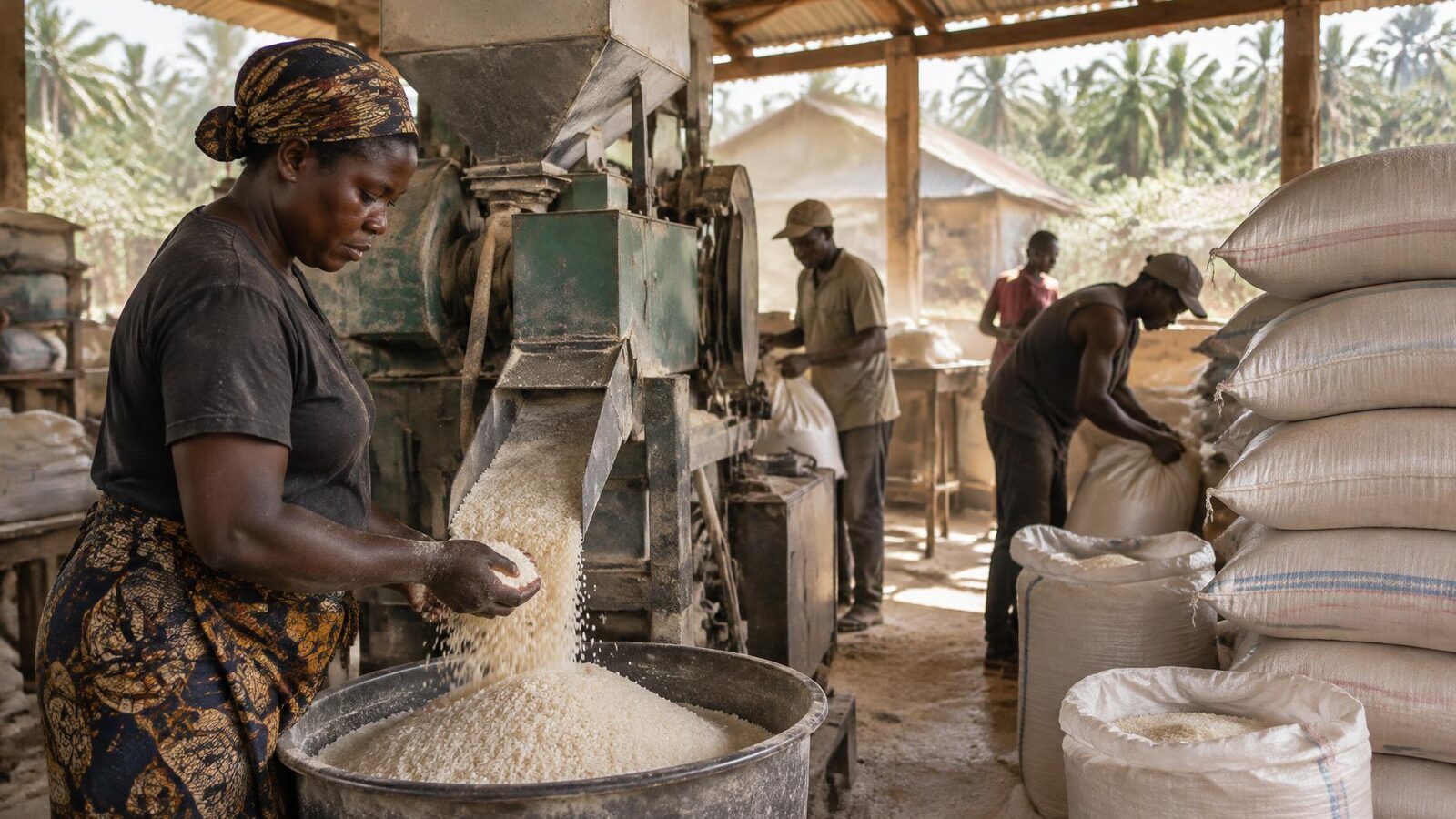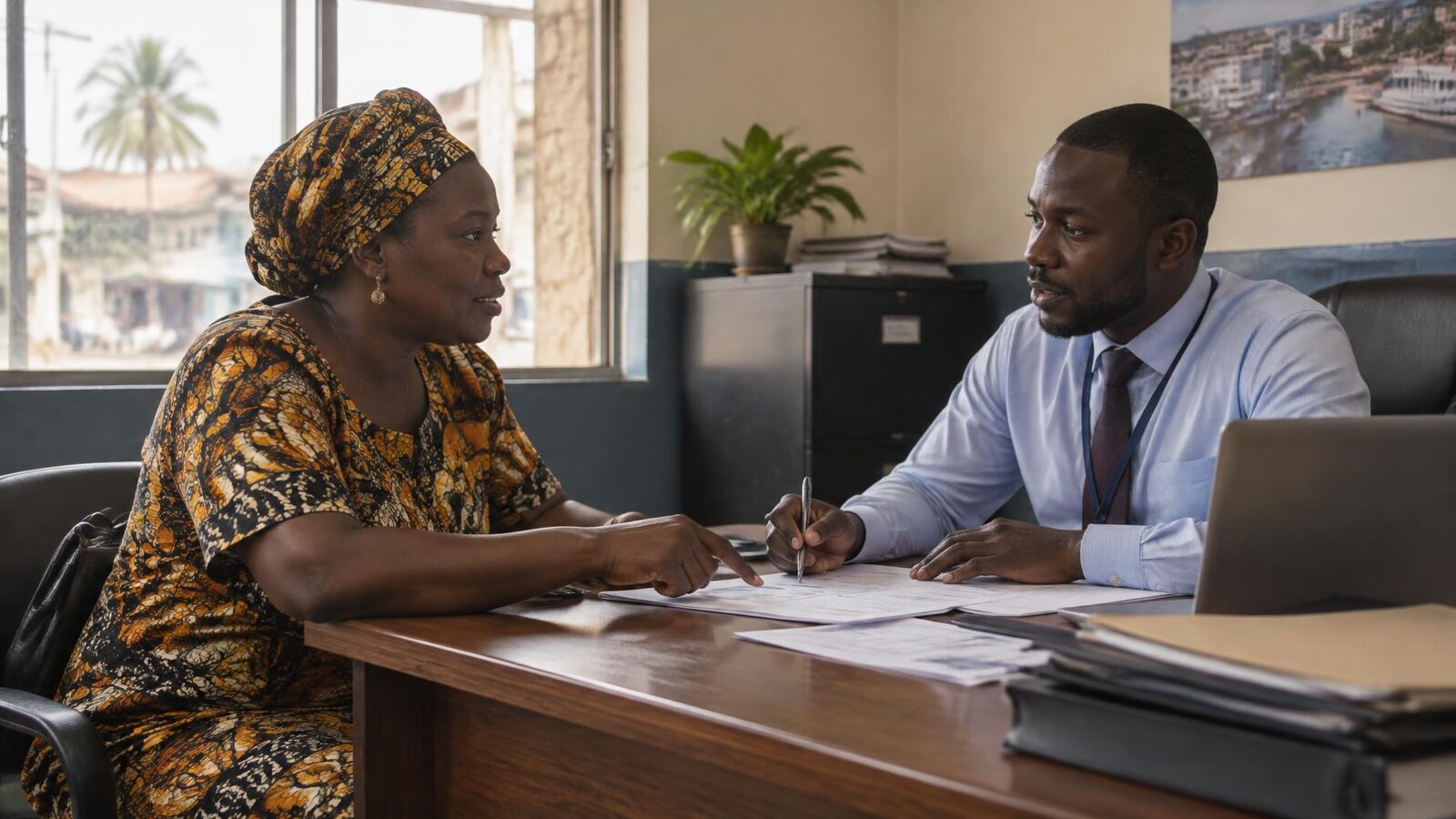









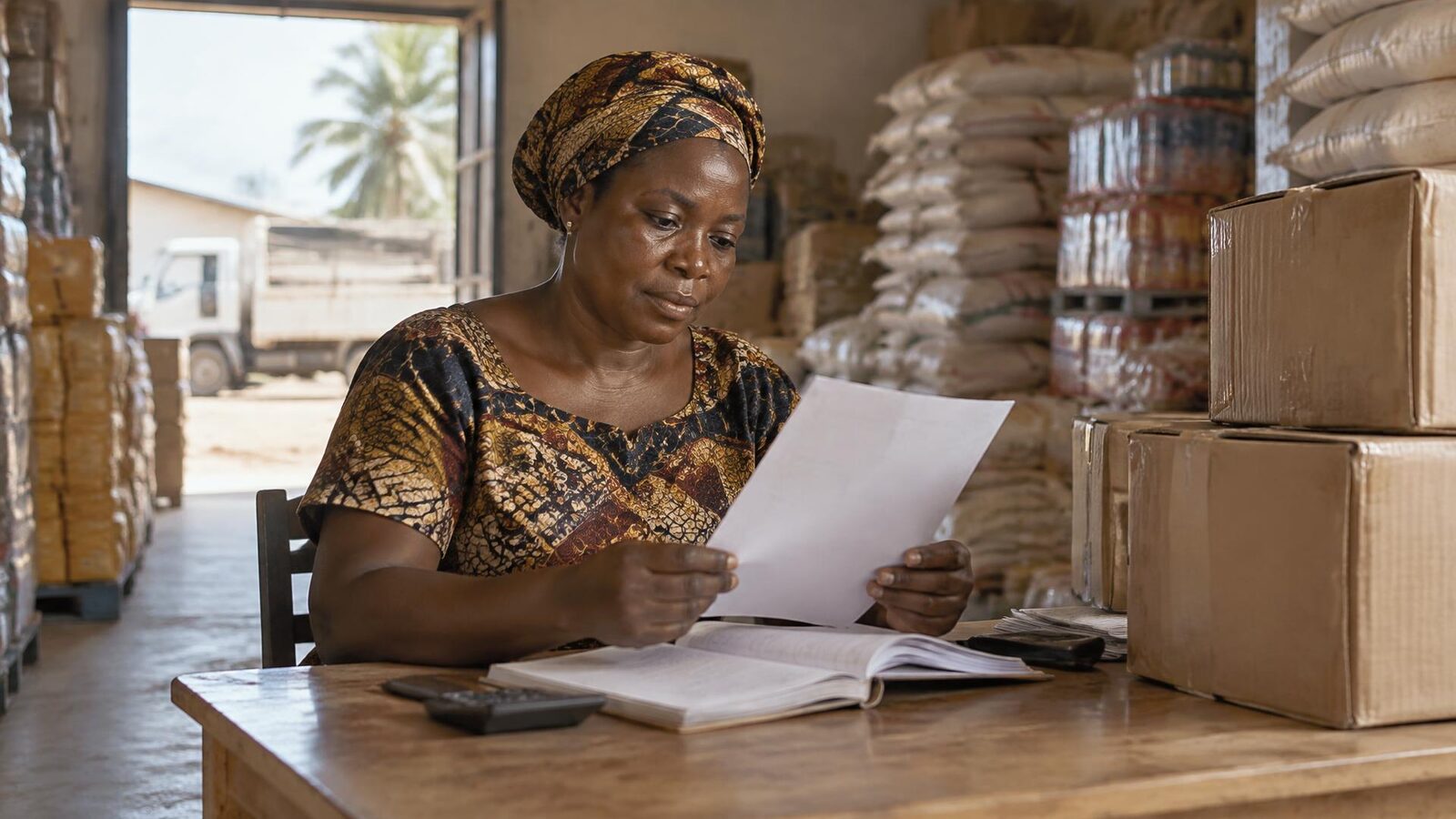
Consider an illustrative case. It is not a reported story, and the business is not real. A Liberian supplier of packaged foods wins an order from a hospital, a school system or a government ministry. The order is genuine and the price is fair. To fill it, the supplier must buy ingredients, packaging and transport weeks before the buyer pays. Her savings cover part of that cost. The rest is a cash gap.
Without credit, she has two options: turn the order down, or take it and risk being unable to deliver. Either way, a job that a Liberian firm could have done may go to an importer, and the workers she would have hired stay idle.
Why this matters now
In the World Bank’s 2025 Enterprise Survey, access to finance was the obstacle most often cited by Liberian firms, named by 39.8 percent as their biggest constraint. The survey review notes high collateral requirements, limited credit histories and high interest rates. [2] Many small firms do not own land or buildings that a bank will accept as security. What they do have, when they win business, is a contract.
How purchase-order finance could work
Today’s Liberia™ proposes that a confirmed purchase order from a creditworthy buyer be treated as a basis for short-term lending. Four safeguards would be needed.
Verify the order. The lender confirms directly with the buyer that the order exists, the price and quantities are as stated, and the buyer has budgeted for it. For public buyers, that means confirmation from the procuring entity and evidence of an allotment.
Disburse in stages. Money is released against milestones—inputs purchased, goods produced, goods delivered—rather than as a lump sum. Where possible, payments go directly to input suppliers.
Assign the invoice. The supplier assigns the right to be paid under the invoice to the lender, so the buyer’s payment repays the loan first and the balance goes to the business.
Pay on time. This only works if buyers, especially the government, pay when they say they will. A purchase order from a buyer that pays a year late is not good security.
The public side of the bargain
That last point puts responsibility on the state. Today’s Liberia™ calls on the Ministry of Finance and Development Planning to publish a validated schedule of arrears owed to domestic suppliers, together with a payment-aging report showing how long invoices have been outstanding—under 30 days, 30 to 90 days, 90 to 180 days and longer.
Such a schedule would tell lenders how much risk they are taking on public orders. It would tell suppliers what to expect. It would tell citizens whether government payment practices are helping local businesses grow or quietly financing the state at their expense.
No new institution is required to start. Banks and microfinance lenders already assess risk; the missing elements are reliable confirmation of orders and reliable payment. If government provides both, a purchase order can become what it should be: proof that a Liberian business has work to do, and a reason to lend it the money to do it.