LIBERIA’S CALLING · A TODAY’S LIBERIA PUBLICATION · OPINION / ANALYSIS
A reason to pack your bags and a national case for renewal
Why Liberia is worth the journey — and what it will take for the country to lead in the experiences it does best. By the TL Editorial Team · Sources reviewed 13 October 2026.
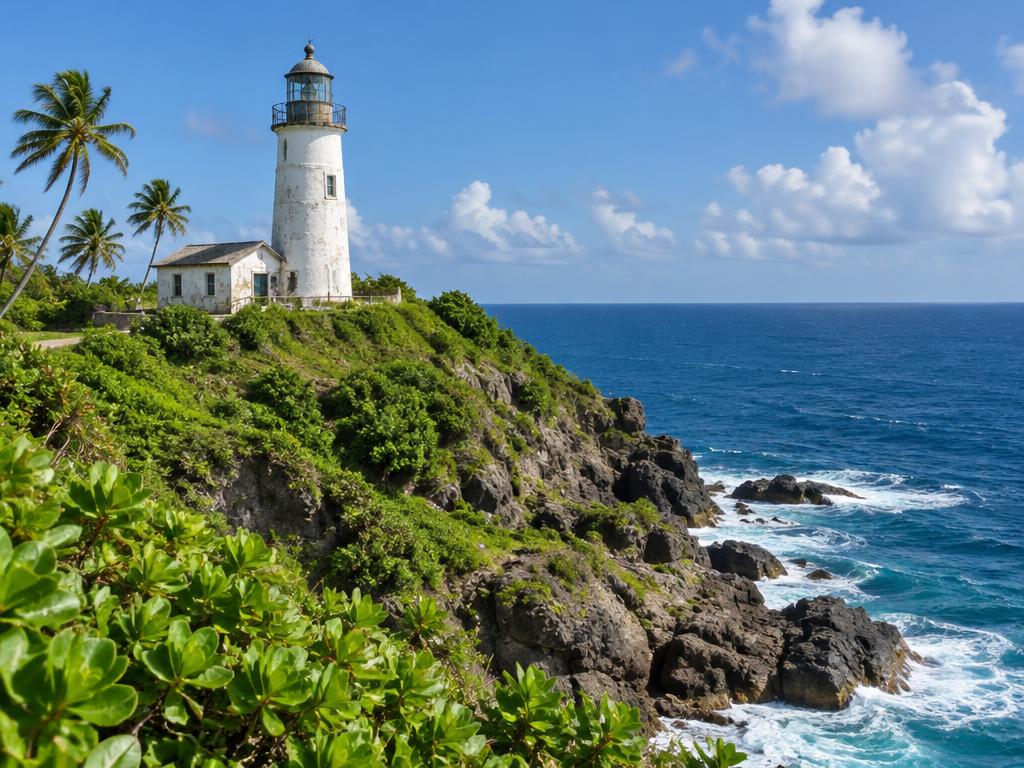
Illustration: TL Editorial Team (AI-generated editorial artwork, not a photograph of the exact site)
The invitation
There are places you visit and places that ask something of you. Liberia is the second kind. It asks you to look past headlines formed in harder decades, to sit with a family over palm butter and rice, to wait for a wave at Robertsport and to walk under rainforest canopy that much of West Africa has lost.
This feature is an invitation and an argument. The invitation is simple: come, with good planning and an open mind. The argument is harder: that Liberia can build a tourism economy that earns its reputation through reliable experiences rather than slogans.
The aviation memory
Older Liberians remember when Pan American World Airways flew nonstop between New York’s JFK and Robertsfield in the late 1970s and early 1980s. That link carried families, students, officials and business travellers, and it gave Monrovia a place on the map of world travel.
Memory is useful only if it is honest. That service ended long ago; today’s routes are different and travellers must check current airline schedules. And a flight is not a tourism strategy. Connectivity lowers the barrier to arriving; experiences, welcome and reliability decide whether visitors return and recommend.
- Roberts International Airport — history — Historical background only; not current schedules.
- U.S. Office of the Historian, FRUS 1952–54 vol. XI doc. 219 — Historical aviation and diplomatic context.
Distinctive assets
Liberia’s strengths are specific: surf around Robertsport; the Lake Piso lagoon; long Atlantic beaches; a significant share of the region’s remaining Upper Guinean forest, including Sapo National Park; highland landscapes in Nimba; coastal heritage in Harper and Buchanan; distinct cuisine; and a global diaspora with deep emotional ties.
None of these require Liberia to imitate anyone. They require it to protect what is distinctive and make it accessible on fair, safe terms.
- Enjoy Liberia — Surfing — Destination information on Liberian surf.
- Enjoy Liberia — activities, shopping and tours — Activity ideas; confirm operators directly.
Travel, tourism and hospitality
These words are often used interchangeably, but they are different. Travel is the movement of people. Tourism is the system of attractions, services, information and policy that turns travel into a visitor economy. Hospitality is the human experience at the heart of it: a clean room, a safe meal, a guide who knows the story, a driver who arrives on time.
Liberia can attract travel through storytelling, but it keeps visitors through hospitality. That is why standards matter as much as marketing.
The local value chain
Every visitor night can support many livelihoods: fishermen and market vendors, cooks and cleaners, drivers and guides, craftspeople and musicians, electricians and builders. Whether it does depends on choices — buying locally, hiring and training locally, and keeping ownership in Liberian hands where possible.
A tourism economy that imports everything and employs few people would miss the point. Local procurement should be measured, not assumed.
The gateway
First impressions begin at Roberts International Airport and on the road into Monrovia. Clear arrival information, professional and bookable transfers, and honest guidance on timing are among the cheapest and most effective improvements available.
Domestic movement matters too. Daylight road travel, seasonal planning and realistic itineraries protect visitors and the country’s reputation.
- Roberts International Airport — history — Historical background only; not current schedules.
Visitor confidence
Visitors read government advisories. At TL’s review on 13 October 2026, the U.S. State Department page showed Level 2, Exercise Increased Caution, citing crime, civil unrest and health. Advice changes, and travellers should read the latest version from their own government.
Confidence is built by evidence: consistent safety practice, transparent prices, written cancellation terms, guest support and honest information. Hiding risks undermines trust; explaining how to manage them builds it.
- U.S. Department of State — Liberia travel advisory — At review the page showed Level 2, Exercise Increased Caution (crime, civil unrest, health). Always check the latest version.
- UK FCDO — Liberia travel advice — Entry, health and safety guidance; check before you travel.
Nature and community protections
Conservation-led travel only works if visits are small, guided and permitted, and if fees and jobs reach the communities who live alongside protected areas. Growth that damages forests or displaces communities would destroy the very asset that makes Liberia distinctive.
Community consent, benefit-sharing and environmental rules should be preconditions for any project, not afterthoughts.
- Liberia National Tourism Authority — Tourism investment — Investment concepts are not guaranteed investments.
Investment
The most realistic opportunities are often small: guesthouses with reliable utilities, bookable transfers, surf services, heritage and food experiences, business venues and low-impact lodges. Investors need verified land rights, access, permits, utilities, demand evidence, seasonal planning and community agreements.
Official investment concepts published by the national tourism authority are starting points for due diligence, not guaranteed opportunities.
- Liberia National Tourism Authority — Tourism investment — Investment concepts are not guaranteed investments.
TL’s role
Today’s Liberia is not a tourism authority, booking platform or rating agency. Our role is trusted destination storytelling, usable planning information, visibility for local operators and convening the industry around practical standards.
We will not invent partnerships, reviews, visitor totals or verified badges. When we lack information about a county, we say so.
Action plan
Leadership is earned niche by niche: surf experiences rooted in robertsport; diaspora heritage journeys; community-led coastal hospitality; conservation-compatible small-group travel; cuisine and culture; business plus leisure. A proposed sequence:
First 100 days
- Publish a clear visitor information baseline: entry, health, advisory links and transfer guidance.
- Convene hotels, guides and transport operators to agree simple service commitments.
- Collect operator information through a transparent intake process.
12 months
- Train guides and hospitality staff in safety, first aid and guest service.
- Develop tested itineraries for surf, heritage, food and nature niches.
- Publish transparent pricing and cancellation norms among participating operators.
3 years
- Strengthen coastal and conservation-compatible small stays with community participation.
- Independent visitor feedback and published progress against indicators.
- Sustain conservation and community-benefit arrangements alongside growth.
Measurable accountability
Progress should be published against indicators such as:
- Local jobs created or sustained in hospitality and guiding
- Share of operator purchases from local suppliers and communities
- Trained guides and staff
- Conservation fees and community-benefit payments
- Visitor satisfaction and complaint resolution
- Operators publishing prices and cancellation terms
TL does not yet hold verified baselines for these measures and will not publish figures until they are sourced.