









“What was due, what was collected, and what reached government accounts?”
Liberia’s port and maritime revenues deserve an account that citizens can understand and independent reviewers can verify. Where figures differ, the answer should be a documented reconciliation: what was due, what was collected, what was lawfully retained, and what reached government accounts.
Today’s Liberia supports a targeted international revenue audit of the National Port Authority and the Liberia Maritime Authority, structured with the General Auditing Commission and grounded in a preliminary assessment of existing audit work. Its purpose should be to resolve identified gaps and disputed calculations, rather than assume wrongdoing before the records are examined.
That distinction matters. The GAC’s report for LiMA’s financial year ended December 31, 2024, gives an unqualified opinion on its financial statements under the stated reporting framework. This is a material finding that any fair assessment must acknowledge. It does not establish that every possible contract, pricing arrangement, or commercial opportunity has been evaluated for maximum national benefit. [1]
The proposed engagement should therefore begin by identifying what previous audits covered, which recommendations remain relevant, and which revenue questions require additional examination. International expertise is most useful where it contributes specialist contract analysis, independent bank confirmations, overseas transaction tracing, or technical capacity that the engagement actually needs.
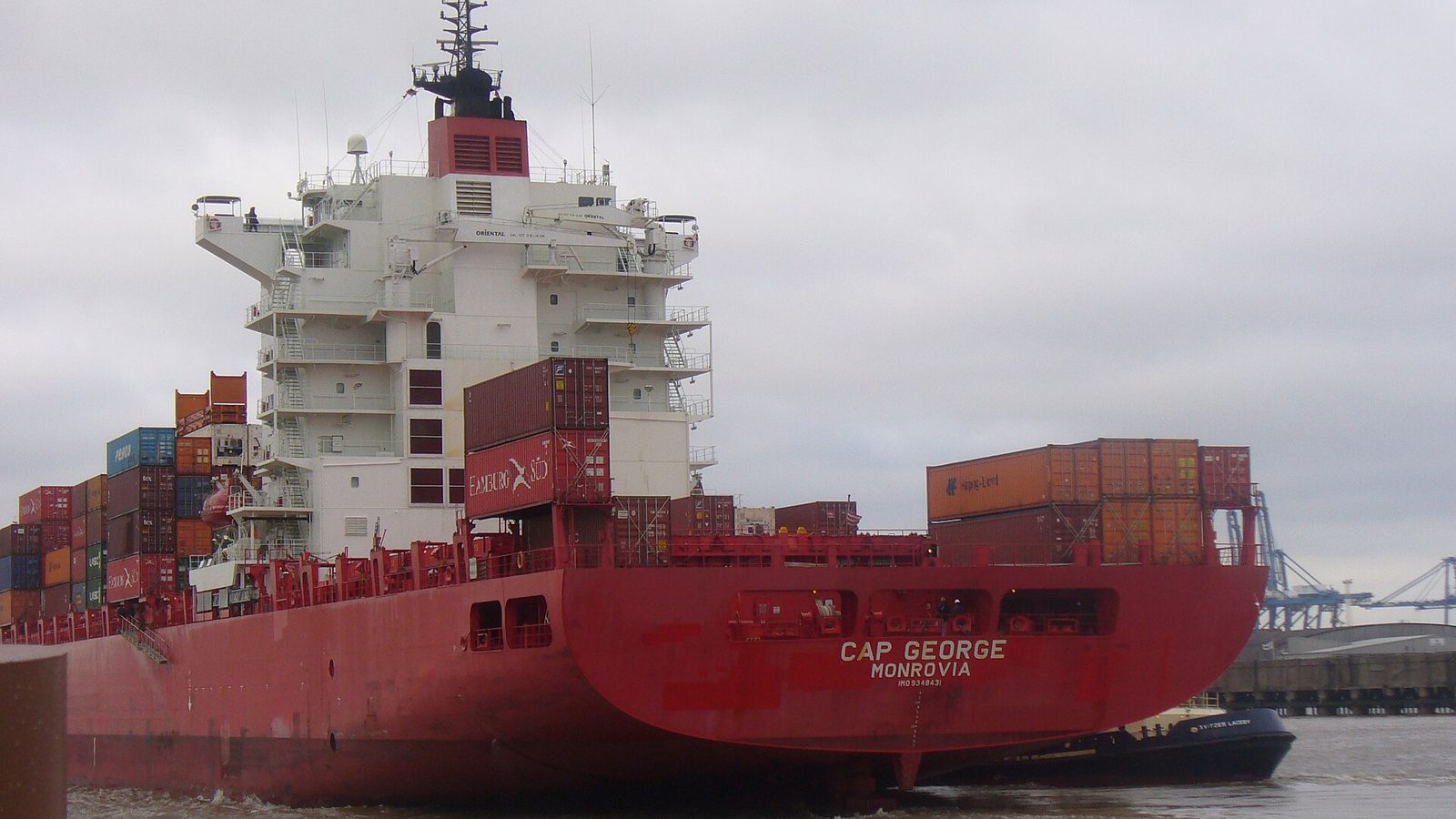
The review should separate port operations from ship registry revenues. A vessel using a Liberian port and a ship registered under Liberia’s flag generate different obligations. Their receipts cannot simply be added together and compared with an unrelated budget figure.
For each stream, auditors should establish the contractual or tariff basis, calculate the amount due, inspect invoices and collection records, confirm deposits directly with banks, and reconcile the resulting government entitlement with remittances. Reporting periods, currencies, receivables, authorized deductions, and settlement dates must be consistent.
A five-year review, plus the current year through a fixed cutoff date, would be a reasonable proposed starting point. The final period should follow the preliminary risk assessment and availability of reliable records. Older transactions should be examined where evidence makes that necessary.
Independence must be built into the appointment. Competitive selection, disclosed conflicts, protected access to records, and published terms of reference should precede the fieldwork. The arrangements must respect the GAC’s independence and applicable Liberian law. An international brand alone cannot substitute for those protections.
The final report should distinguish explained differences, collectible arrears, unsupported transactions, confirmed underpayments, and matters requiring further investigation. Each finding should include management’s response and the auditor’s assessment of that response.
Success should be measured by a reconciled account, justified recoveries, and stronger controls. Citizens should be able to see both the findings and the evidence-based response. Liberia’s institutions gain credibility when their numbers can withstand examination.
Sources
Sources checked October 14, 2026. Institution and operator website claims are attributed accordingly. No amount of missing money, confirmed theft, or contract revenue-sharing percentage is asserted in this series.
- [1] General Auditing Commission: LiMA financial statements audit, year ended December 31, 2024.. Auditor’s opinion inspected in the report, PDF page 5. The opinion is unqualified and relates to the stated financial reporting framework. Report landing pageAudit PDF