











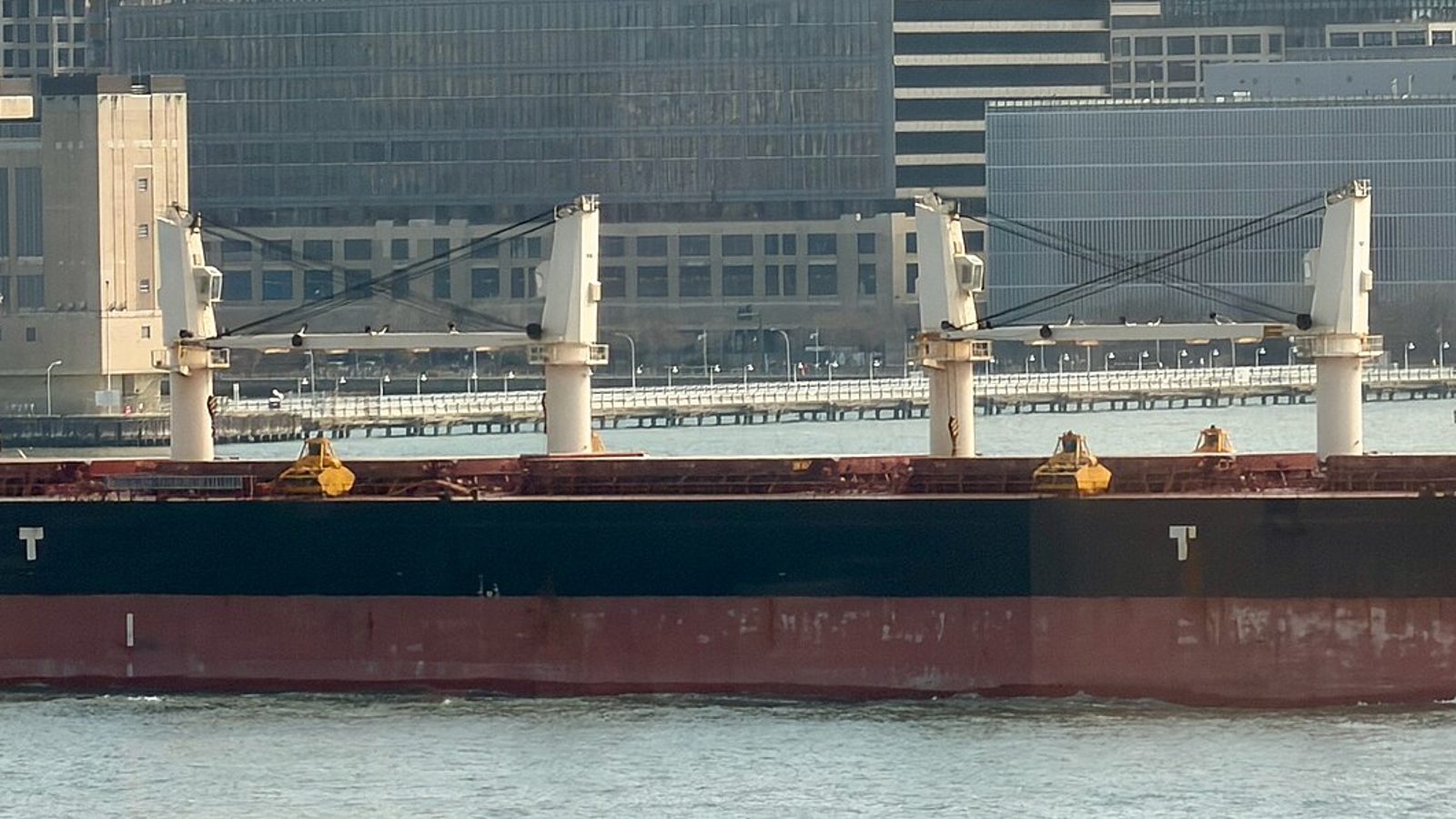
“Registry scale and government income are different measures.”
Liberia’s shipping registry gives the country a presence far beyond its coastline. The registry’s website currently advertises more than 6,200 registered vessels and an 18 percent share of the world fleet. These are the operator’s published scale indicators, not measures of Liberia’s government revenue. [4]
The public finance question begins after the fleet statistics. What receipts arise from the relevant services? Which amounts belong to the operator under the governing arrangements? What is Liberia entitled to receive, and when is that entitlement settled?
A large registry does not automatically entitle the government to a percentage of every shipowner’s worldwide earnings. Registration fees, tonnage-related charges, service income, and corporate filing receipts need to be classified according to the applicable framework. Their government treatment should be established from authoritative agreements and laws, not inferred from fleet size.
Any targeted revenue review should begin with the governing instruments and amendments. It should identify collection responsibilities, authorized deductions, settlement provisions, reporting duties, verification rights, and the treatment of discounts, refunds, and unpaid accounts. Publishing an unsupported revenue-sharing percentage would weaken the case for transparency.
The resulting public account should reconcile opening receivables, current-period billings, adjustments, collections, permitted retentions, the government’s entitlement, and actual remittances. Closing arrears should be explained by age and status. Calculations should use a consistent reporting period and currency treatment.
Verification should draw on underlying activity and direct confirmations rather than summaries alone. Auditors should assess whether the records supplied cover the complete relevant population and test exceptional transactions, manual adjustments, and unusual deductions.
Existing financial audit results must remain part of that discussion. LiMA received an unqualified financial-statement audit opinion for 2024. A proposed additional engagement should state precisely which questions it would examine beyond the existing work, avoiding the suggestion that the prior opinion is meaningless or that unproven losses have already been found. [1]
Financial verification also differs from maritime safety oversight. The registry describes the IMO Member State Audit Scheme as an assessment of implementation of maritime obligations, including safety and environmental responsibilities. Such an exercise answers different questions from an examination of government revenue. [5]
Transparency should be paired with commercial judgment. Changes to pricing or contractual arrangements need an assessment of service costs, competition, customer retention, and legal obligations. Liberia should protect revenue already owed while evaluating whether future arrangements offer better value.
The goal is a clear account that Parliament, oversight institutions, and citizens can interpret: a successful international registry, a verified national entitlement, and an explanation of how that entitlement reaches public finances.
Sources
Sources checked October 14, 2026. Institution and operator website claims are attributed accordingly. No amount of missing money, confirmed theft, or contract revenue-sharing percentage is asserted in this series.
- [1] General Auditing Commission: LiMA financial statements audit, year ended December 31, 2024.. Auditor’s opinion inspected in the report, PDF page 5. The opinion is unqualified and relates to the stated financial reporting framework. Report landing pageAudit PDF
- [4] Liberian Registry: Homepage.. Operator-published fleet indicators as displayed when checked; figures may change. Operator website
- [5] Liberian Registry: Liberia Receives IMSAS Audit, November 27, 2024.. Describes the IMO scheme’s maritime implementation scope. Operator announcement