











LATEST · ECONOMIC COMMENTARY · 7 NOVEMBER 2026
CAN JNB STILL DELIVER?
 Business
Economic Commentary
Can JNB Still Deliver?
Incompetence or Unclear Economic Policy: Can Boakai Bring the Change Liberians Deserve?
Incompetence or unclear economic policy? Today’s Liberia reads the MCC FY2027 scorecard, World Bank and IMF evidence, and sets five measurable tests for President Boakai’s economic agenda.
Economic commentary by the Today’s Liberia Editorial Desk. Proposals and judgments are those of Today’s Liberia.
Read the commentaryOPINION / EDITORIAL · 19 OCTOBER 2026
MINING, REVENUE & ACCOUNTABILITY
 Business
Opinion / Editorial
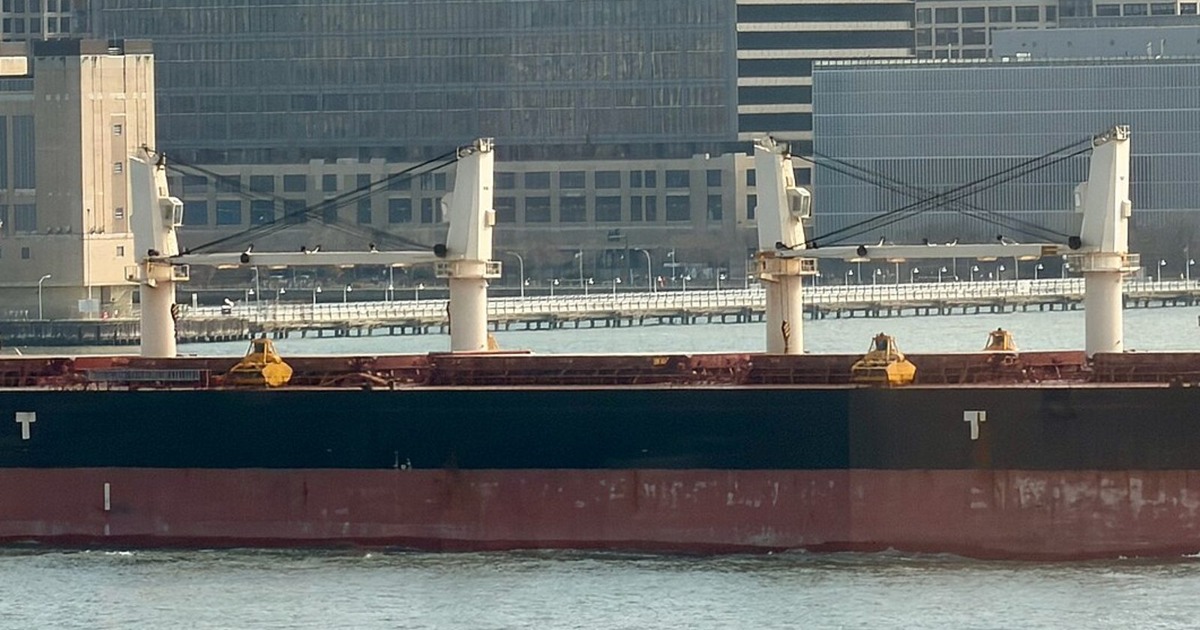
From Shipment to Treasury: Liberia Needs an Independent Audit of ArcelorMittal’s Operations
Documented reporting gaps justify public answers—and a transparent reconciliation of exports, sales, tax assessments, and government receipts.
Illustrative stock photograph · Oleg Yunakov, CC BY-SA 4.0 · Not AML operations.
GLOBAL AGENDA · EDITORIAL / ANALYSIS · 18 OCTOBER 2026
BUSINESS, INVESTMENT & ECONOMIC GOVERNANCE
 Business
Editorial / Analysis
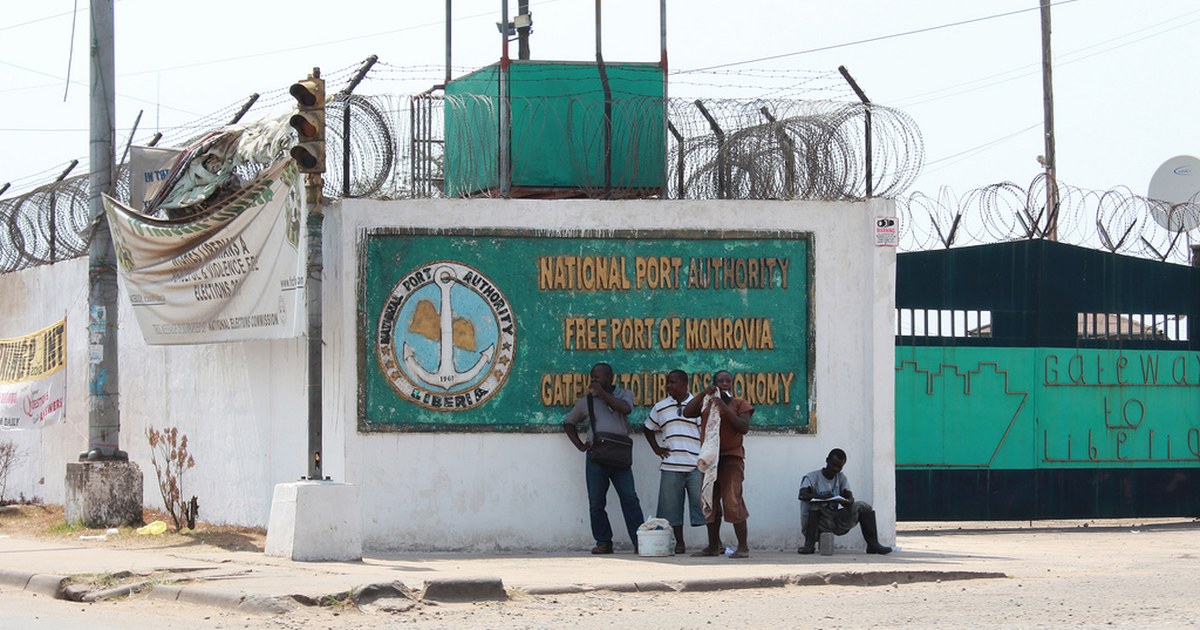
Liberia’s Investment Challenge: Is the Problem the Pitch—or What Investors Find?
The country’s opportunities can attract attention. Converting that attention into productive investment requires credible projects, predictable rules, and evidence that survives scrutiny.
A TL editorial assessment: the distance between the promise presented and the evidence available—and five priorities for closing it.
Freeport of Monrovia · blk24ga, CC BY 3.0 · Photo source
GLOBAL AGENDA · SPECIAL EDITORIAL · 15 OCTOBER 2026
AGRICULTURE, INVESTMENT & ACCOUNTABILITY
 Business
Special Editorial / Analysis
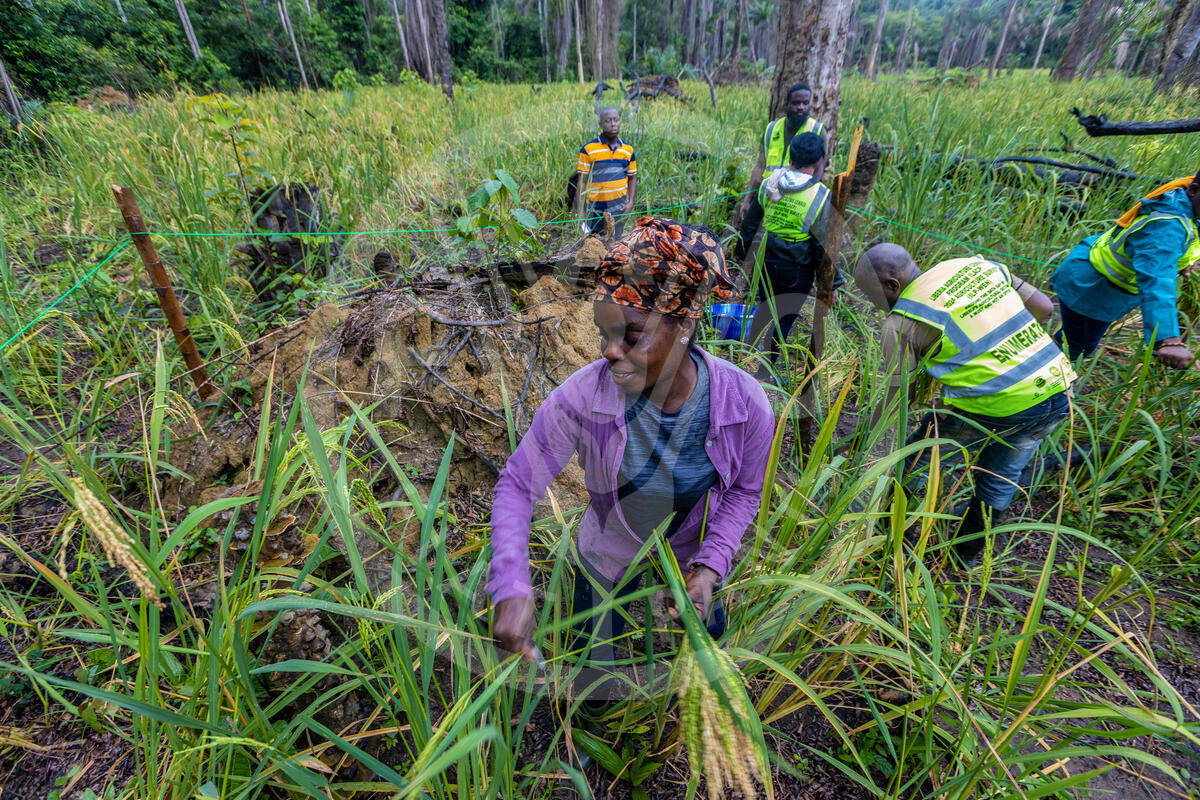
Liberia’s US$370 Million Agriculture Pitch: The Projects, Proof, and Delivery Plan Investors Need Next
Liberia has put a substantial agricultural proposition before the world. Its next task is to turn four investment envelopes into identifiable businesses—with credible operators, paying customers, protected communities, and measurable results.
A proposed US$370 million portfolio—not established committed, disbursed or invested capital. Delivery recommendations are TL editorial proposals.
Archive photograph · © FAO / Andrew Esiebo · FAO photo source
GLOBAL AGENDA · POLICY & ECONOMIC TRANSFORMATION · 14 OCTOBER 2026
LIBERIA’S $500 MILLION AMBITION
 Business
Opinion / Policy Proposal
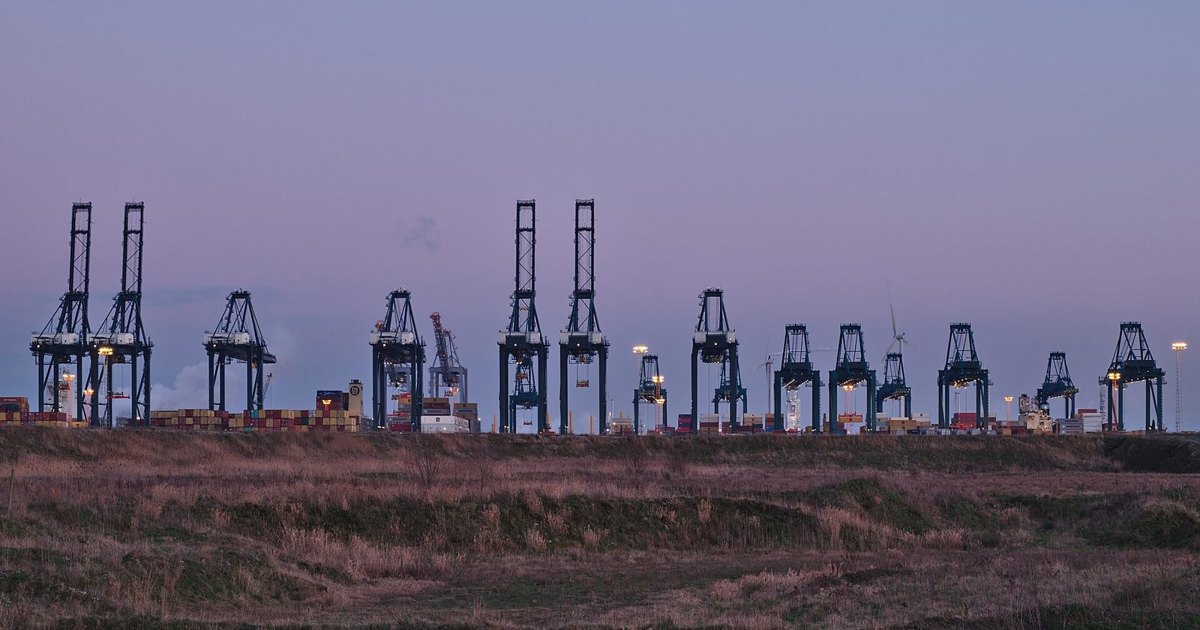
Liberia’s $500 Million Ambition: A Sovereign Fund to Power Local Enterprise and Regional Trade
An aggressive economic reform agenda must turn national resources into productive businesses, durable jobs and competitive exports.
This article advocates a proposed framework. It does not report an announced government fund, approved appropriation or secured investor commitment. All allocations and financing targets are illustrative.
GLOBAL AGENDA · GOVERNANCE, TRADE & INVESTMENT
FOLLOWING LIBERIA’S PORT AND MARITIME REVENUES
Six Today’s Liberia analyses examine how independent verification, clearer contracts, transparent reporting, and stronger follow-through can protect port and maritime revenues while supporting a competitive maritime economy.
Analysis / Opinion · Today’s Liberia · 14 October 2026. Read in sequence: Part 1 sets out the audit proposal, Parts 2 and 3 explain the separate port and registry revenue systems, Part 4 proposes public reporting, Part 5 covers follow-through and Part 6 links accountability with jobs.
Part 1 / 06 · Analysis
 Business
Analysis / Opinion · Global Agenda
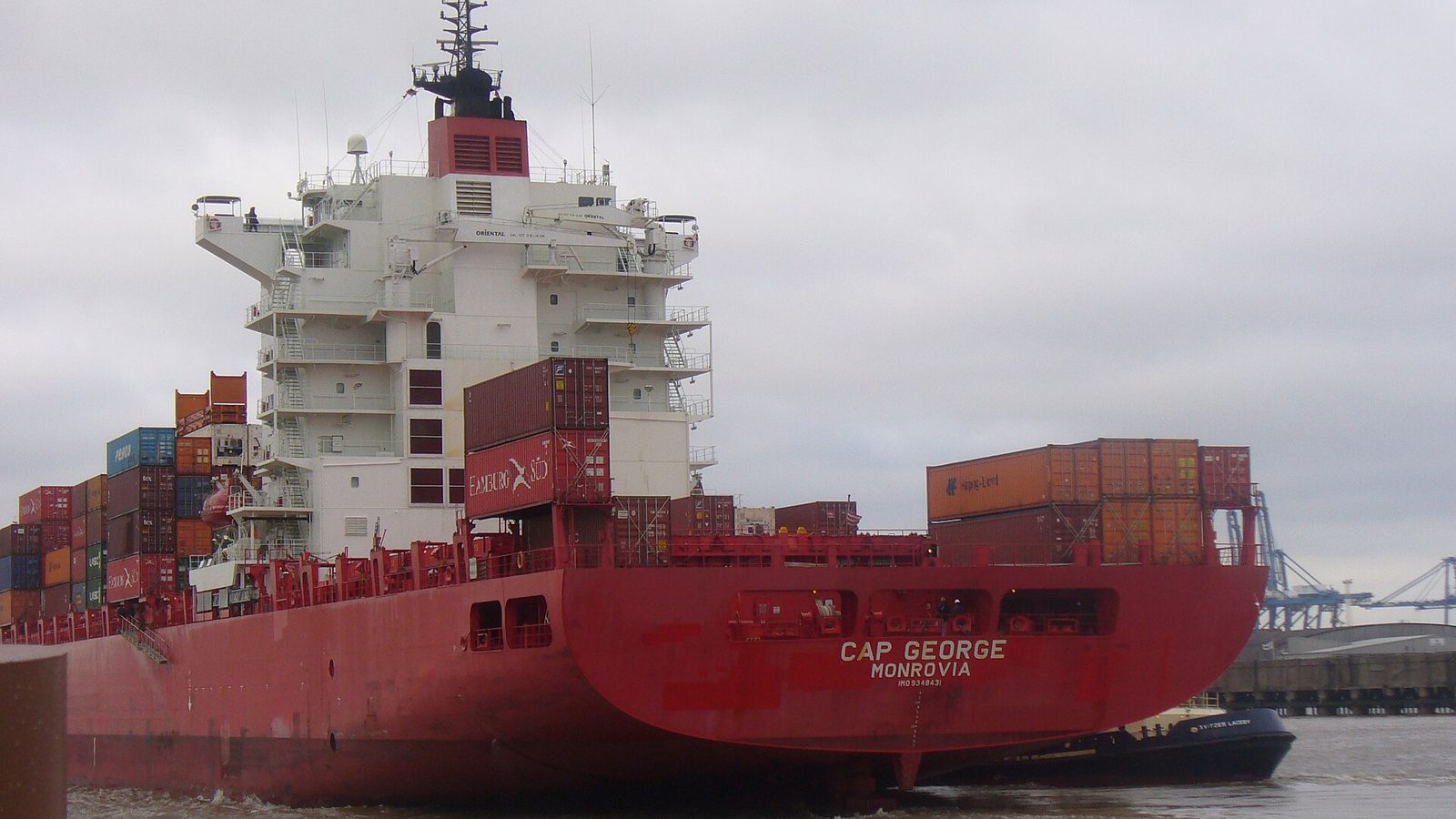
Follow the Revenue: The Case for an Independent International Audit
Part 2 / 06 · Analysis
 Business
Analysis / Opinion · Global Agenda
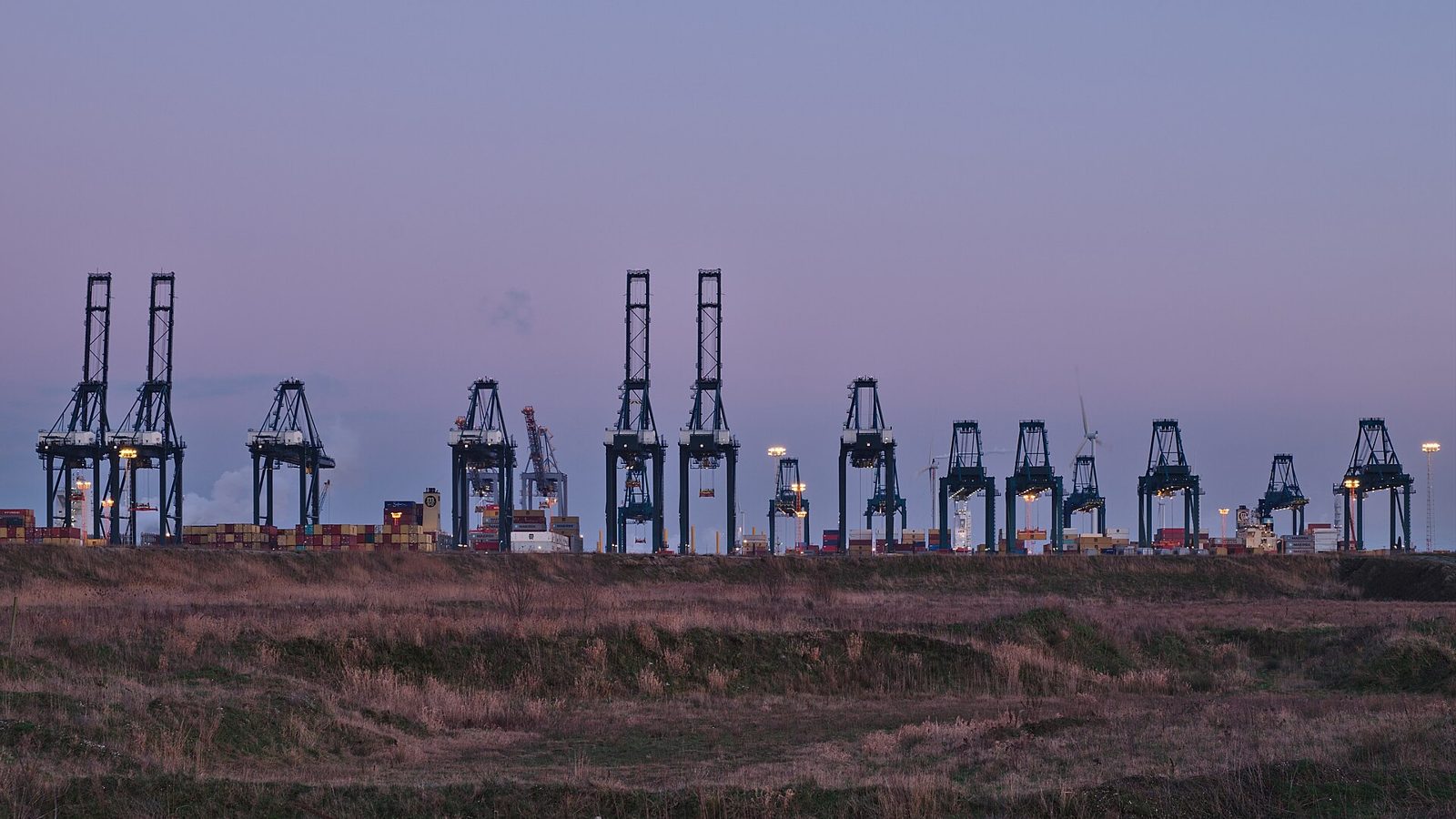
At the Ports, Accountability Begins With the Contract
Part 3 / 06 · Analysis
 Business
Analysis / Opinion · Global Agenda
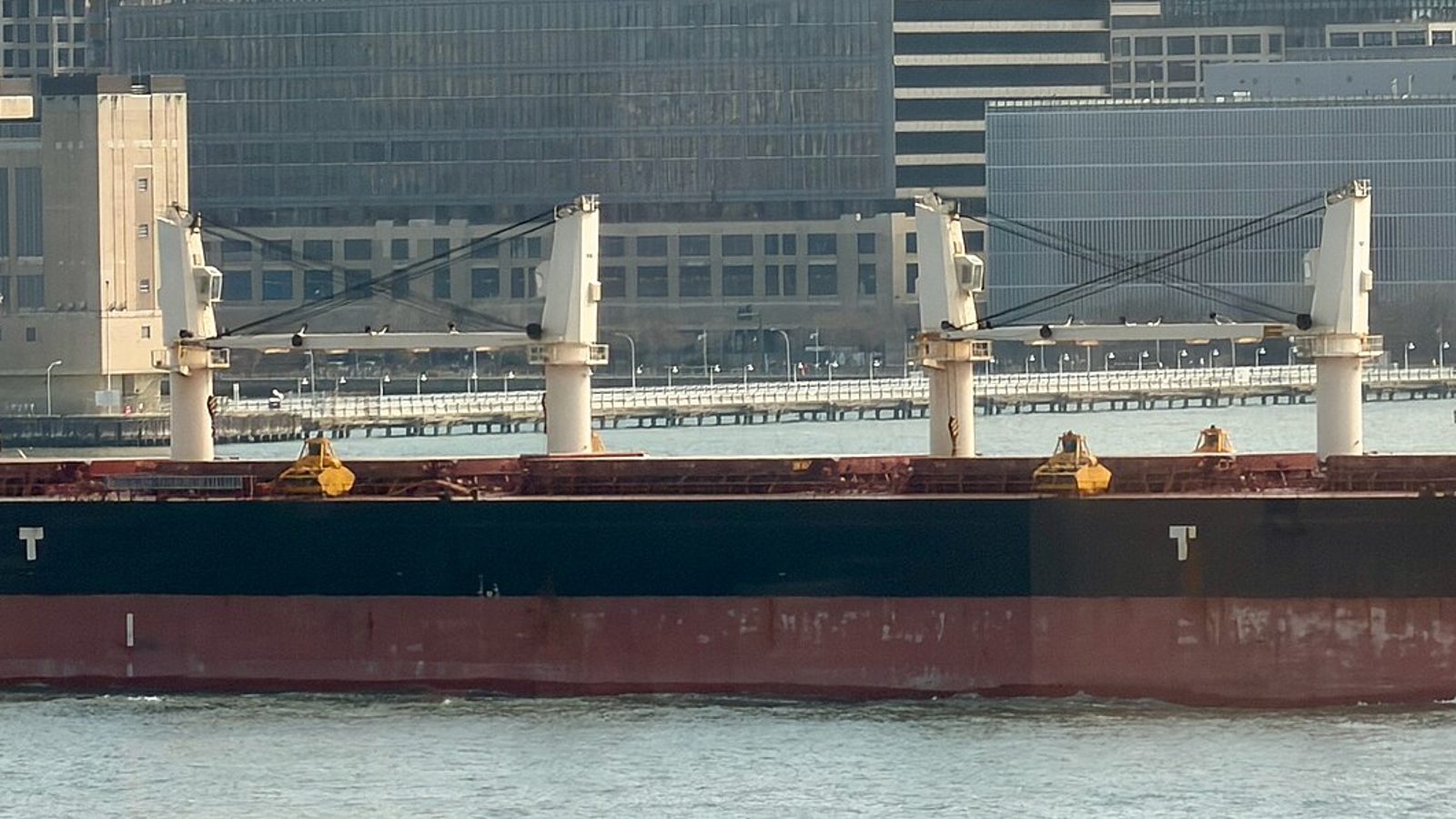
Liberia’s Flag Has Global Reach. Its Public Revenue Needs a Clear Account
Part 4 / 06 · Analysis
 Business
Analysis / Opinion · Global Agenda
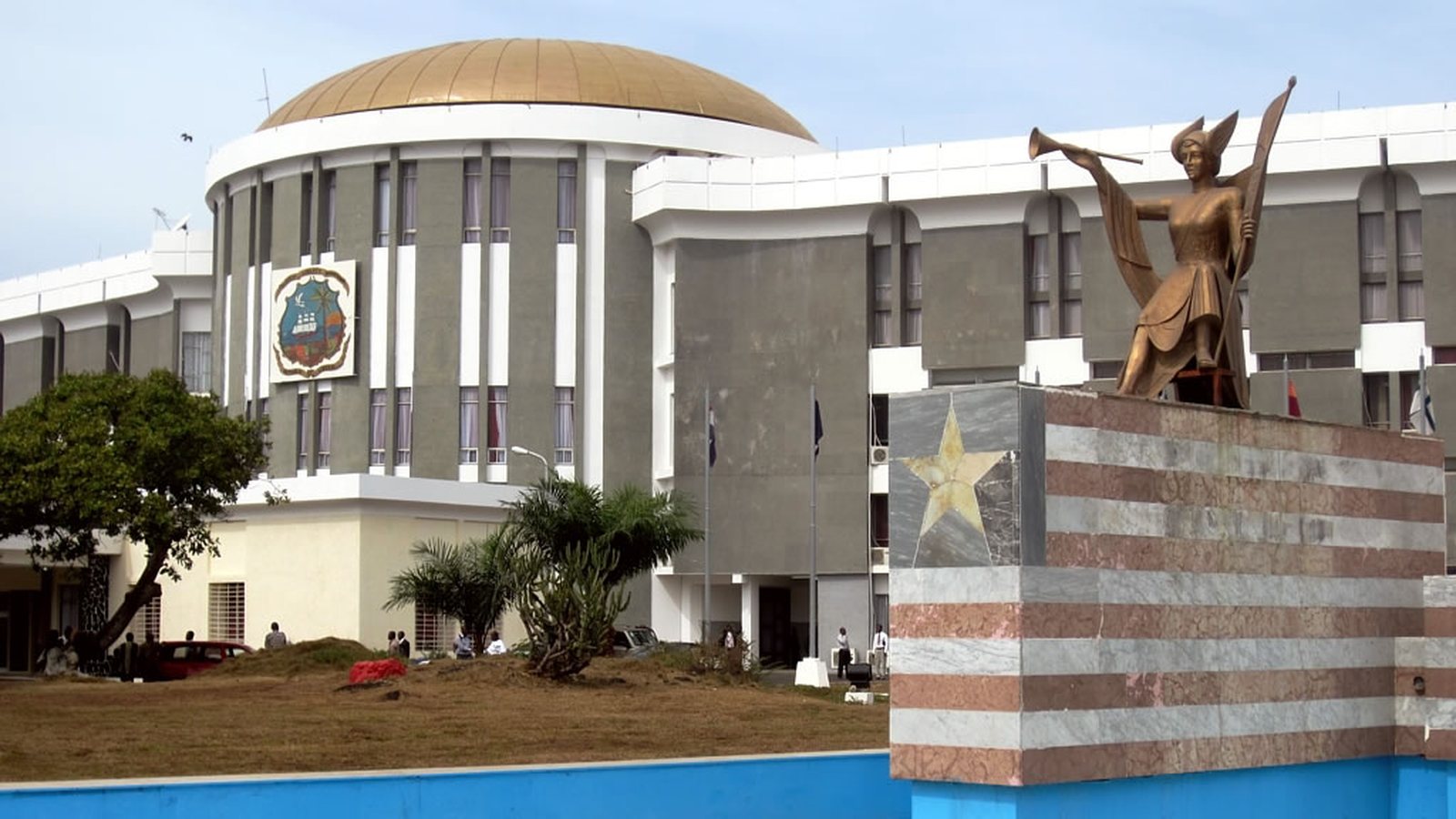
Publish the Revenue Trail: A Dashboard Citizens Can Actually Use
Part 5 / 06 · Analysis
 Business
Analysis / Opinion · Global Agenda
After the Audit: Recover What Is Owed and Fix What Failed
Part 6 / 06 · Analysis
 Business
Analysis / Opinion · Global Agenda
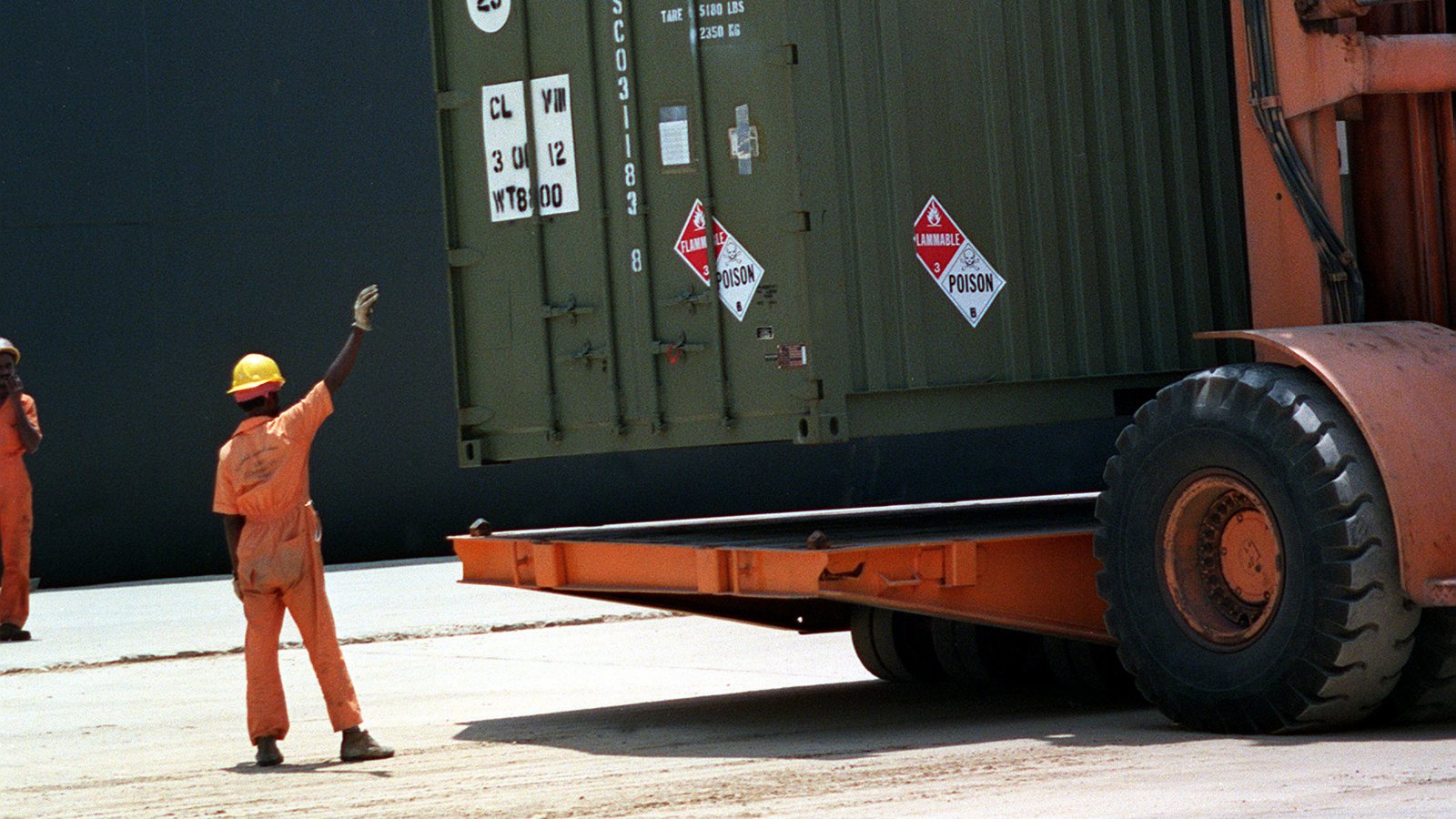
Beyond the Flag: Turn Maritime Strength Into Liberian Jobs